Automatic Generators: A Trustworthy Method for Continuous Electricity
Automatic generators act as an essential defense against power interruptions. The generators work flawlessly, activating within seconds when power fails. Running on diverse fuels, these systems guarantee operations continue during emergencies. However, understanding their benefits and features is crucial to reaching the right conclusion. What elements need consideration before acquiring such a system? The following sections will explore these important factors.
How Standby Generators Work: The Functionality
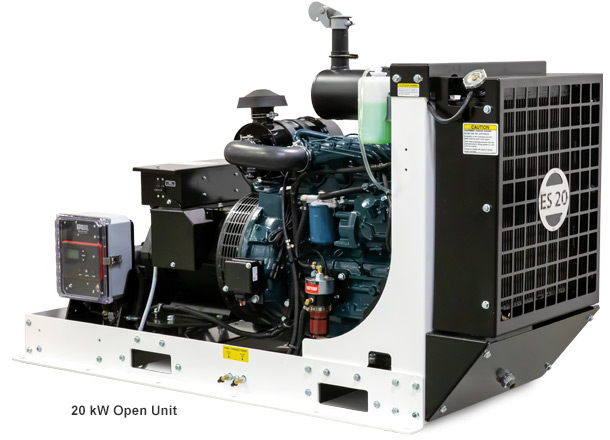
Backup generators are critical units which deliver instantaneous reserve energy during power losses. These units are usually placed outside the structure, linked to the main wiring and fueled by natural gas, propane, or diesel. Should the power fail, the system recognizes the lack of power and starts up instantly. This process involves an ATS (Automatic Transfer Switch), that isolates the property from utility power and switches the load to the generator
(Portland Standby Generators)The unit subsequently generates power, supplying power to essential circuits or the complete structure, relative to its output. The majority of backup systems include an integrated surveillance feature that guarantees proper functioning and servicing. The generators function for prolonged times, providing a reliable power source until the main grid is back online. Understanding the mechanics behind standby generators enables users to see their importance in enhancing energy security and reducing interruptions during unexpected outages
Benefits of Installing a Standby Generator
Dependability is a major benefit of installing a standby generator, since it ensures continuous electricity during outages. This vital function guarantees continuous operation for properties, safeguarding important possessions and preserving convenience. Furthermore, backup systems boost security through the avoidance of electricity loss that could lead to hazardous situations, such as pipe damage or critical device shutdowns.
Cost-effectiveness is a key positive aspect; while the primary expenditure may be significant, the savings over time from avoided food spoilage, business interruption, and emergency repairs can be substantial. Furthermore, these generators increase property value, positioning them as an appealing amenity for potential buyers.
Convenience is also notable, as such systems start up on their own during an outage, removing the necessity for manual intervention. This seamless operation lets people to keep up their normal schedules without hiccups. In summary, installing a standby generator offers peace of mind, guaranteeing that power is readily accessible when needed most.
Important Attributes to Consider in a Generator Unit
In the process of picking a standby generator, several key features should be considered to guarantee peak performance and appropriateness for individual requirements. Initially, the wattage capacity is crucial; prospective owners must determine the wattage required to power necessary systems during an outage. Additionally, the type of fuel—whether natural gas, LP, or diesel—influences operation and operational costs.
An additional key element is the automatic transfer mechanism, which enables smooth transition of power and boosts reliability. Construction and longevity are key factors; a well-built system can cope with extreme weather.
Furthermore, the volume of operation must be checked, as low-noise units are better for residential areas. Certain models include self-starting features, offering ease of use during unforeseen blackouts. Lastly, guarantee and maintenance plans must be examined, ensuring dependable assistance and maintenance. When considering these factors, future owners can pick a unit that meets their unique power needs successfully.
Key Points to Review Before Purchase
Before deciding on a standby generator, prospective owners should carefully evaluate multiple critical elements to guarantee they make an informed decision. Portland Standby Generators. To start, they must determine their wattage demands by calculating the wattage required to run important appliances during an outage. Following this, the power source is important; options include natural gas, propane, or diesel, each possessing specific upsides and access factors
Additionally, purchasers must evaluate the generator's transfer switch, which ensures easy power switching. Installation necessities are also important, because specific units could demand expert setup or obtaining necessary permits
Warranty and service options should not be overlooked, because they influence your satisfaction over time. To conclude, buyers need to assess how loud the generator is, especially if they live in a housing development. When reviewing these aspects, customers may pick a standby generator that perfectly suits their specific needs and preferences
Standby Generator Maintenance Guide
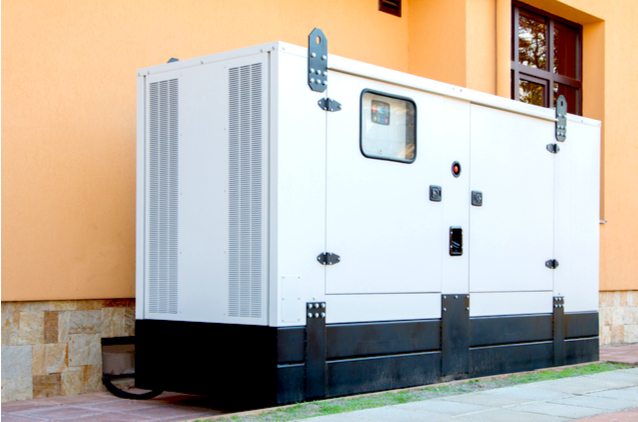
Regular maintenance is essential to ensure optimal functioning and extending the life of the unit. Owners should begin by inspecting the oil level in the unit, and replace the oil and filter following the guidelines provided by the manufacturer. Make sure to check the air filter and change it when needed to maintain the best airflow. You should also test the battery and clean any corrosion on terminals to maintain reliable starting power.
Run load tests from time to time to confirm the generator can handle its maximum load. Furthermore, ensure that no obstructions or leaks exist in the exhaust system. Keeping the generator clean and free from debris helps avoid overheating and problems.
Finally, book professional upkeep at least once a year to handle potential issues and perform in-depth inspections. By using these maintenance practices will significantly prolong the life of a standby generator, giving you confidence during power outages.
Common Questions
How Much Do Standby Generators Typically Cost?
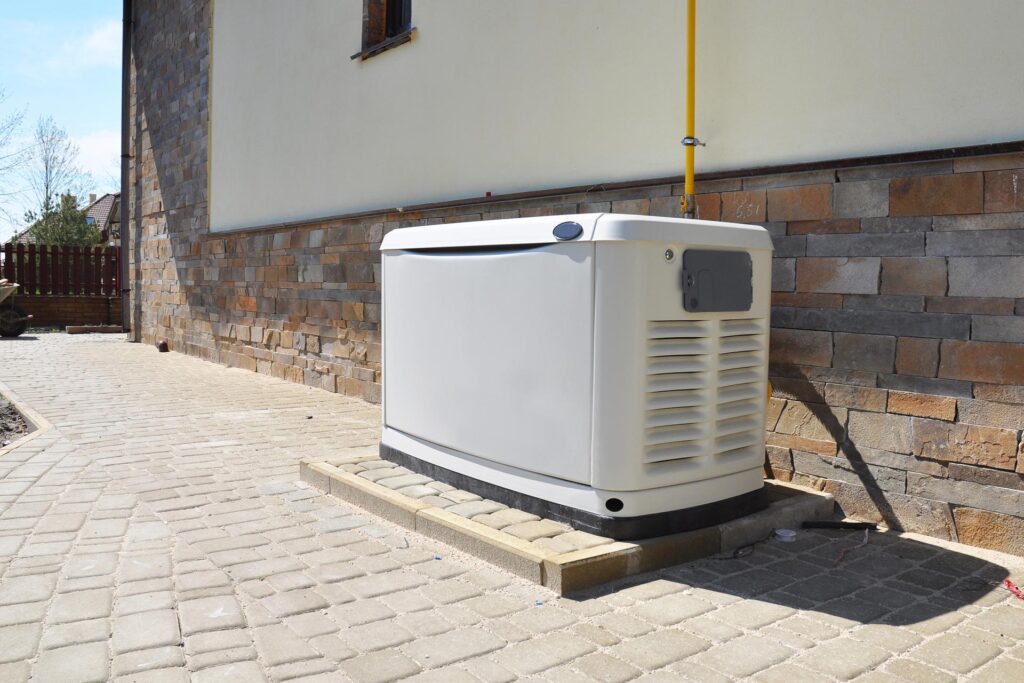
Standby generators typically cost in price from $2,000 to $15,000, based on elements like brand, power capacity, and how complex the installation is. Additional expenses may include permits, fuel tanks, and maintenance, influencing the overall investment required.
Is Self-Installation of a Standby Generator Possible?
Self-installation of a backup generator is feasible, though it demands familiarity regarding local codes and electrical wiring. Many recommend hiring a professional to ensure security, conformance, and the best operation of the generator installation.
What Energy Sources Do Standby Generators Use?
Standby generators commonly run on energy sources such as diesel, natural gas, propane, or gasoline. Portland Standby Generators. The selection of energy source is usually determined by availability, cost, and specific energy needs, which impacts the functioning and efficacy of the generator
Are Permits Necessary for Installation?
Absolutely, installation permits are usually mandated for the installation of standby generators. The specific codes change based on the locale, so it is essential for homeowners or contractors to consult find here local authorities to guarantee compliance with all relevant codes and requirements.
How Long Can a Standby Generator Run Continuously?
A standby generator can run continuously for different lengths of time, usually between 24 and 48 hours, depending on fuel supply and load demands. Regular maintenance guarantees peak performance and longevity during long running times.